
What it took for me to finally believe in myself
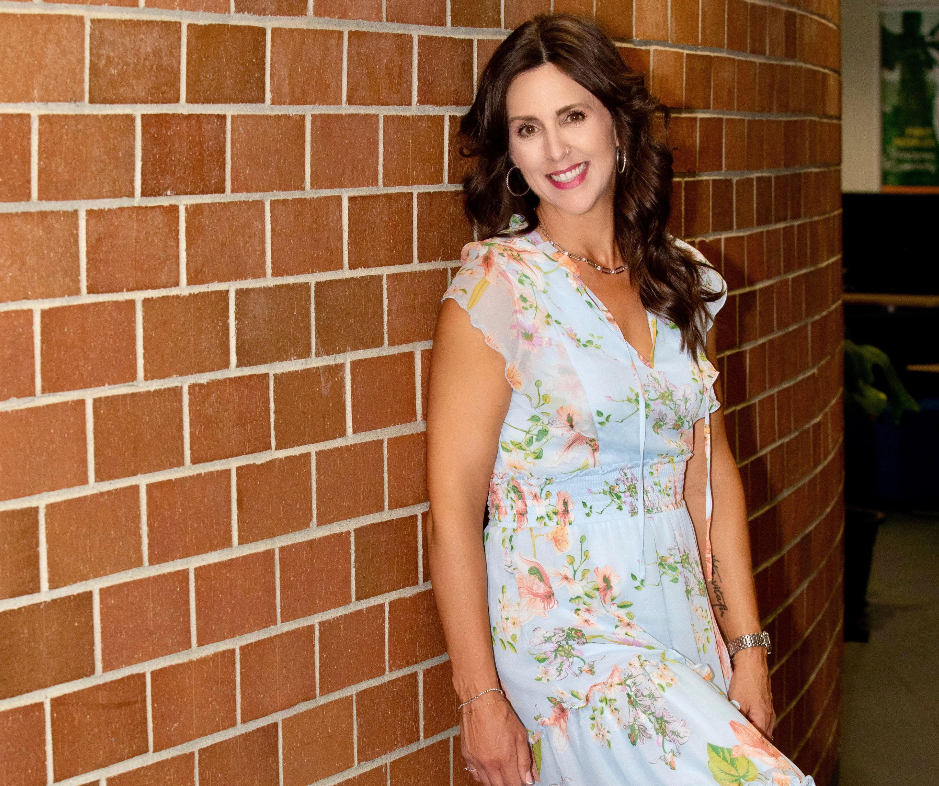
Two weeks after winning three silver medals in my first bodybuilding competition, my husband found me sitting on my hands on our loveseat, sobbing uncontrollably.
That evening, my family had eaten and wandered over to a neighbour’s. During training, I ate on a separate schedule, so I lingered behind. Despite rigorously following my coach’s reverse-diet plan, I began taking tiny samples of their leftovers, alongside a sip of my husband’s Cabernet after eight months without alcohol.
The guardrails ripped off. I whirled around the kitchen, gobbling everything in sight. I was back in my child-brain, shoving food down fast so no one could see Miss Piggy stuffing her face.
I texted my husband: HELP! Please come home!
He arrived minutes later. I was repulsed by myself. Although I’d been warned that my competition physique wasn’t sustainable, I was terrified of regaining body fat. For once, I had felt seen out in the world. Now I believed I was throwing it away with a pathetic need for flavour.
Maybe, I thought, I didn’t deserve to enjoy food. That was how the voice convinced me to stay in suffering much longer.
I had known that voice since adolescence.
Teased for being chunky early on, I had never seen a thick-waisted, thick-legged body like mine represented in the media. Beyond my reflection, I wasn’t aware girls like me existed. Clumsy and uncoordinated, I wasn’t exactly an athlete. I grew ashamed of how everything moved and disgusted with how things felt.
I was also a sensitive child. My mind wandered off on tangents in social settings, something that remained a shameful secret well into adulthood. I designed elaborate workarounds to avoid the sting of embarrassment.
When I began struggling with academic focus, I worked overtime to remain an A-student. From thirteen onward, I consumed countless self-help books. They taught me to grow a thicker skin. All I knew was that, no matter how hard I tried, I wasn’t living up to my potential.
By the time my daughter was in elementary school, I had two words etched along my forearm: Vita vitalis. A phrase from my upbringing, it’s Latin for “a life worthwhile.”
My daughter has never had to doubt her own value. Meanwhile, from puberty to parenthood, I had struggled to believe I was worthy.
Of what? Something another counselling session, professional workshop or bump in salary couldn’t provide. No amount of unconditional love from my high school sweetheart, the dedicated father of our child, could quiet that voice either. Across different decades and roles, two managers told me the same thing: “You’re too hard on yourself.”
Searching for confidence on stage
At 43, having been through cancer treatment, I basked in gratitude for renewed life. Still, I desperately wanted to find confidence. Mountain biking hadn’t delivered it, despite my husband’s encouragement. So I hired a personal trainer, who introduced me to natural bodybuilding.
On January 1, 2019, four months into measuring macros down to the teaspoon and bulking up on whole foods while lifting heavier, I began carefully restricting my caloric intake.
I was preparing to flex and pose on stage in a sparkly bikini and clear platform heels. Somewhere inside, the pixie-haired bride who had once believed herself too tomboyish to pull off a wedding gown guffawed.
I wanted to face my fear of exposure. I followed my coach’s program religiously and revelled in winning three silver medals at my first competition. I was told my arm definition was the envy of women and men. Months of posing and conditioning had brought me towards a standard so often held up for girls to aspire to: the elusive thigh gap.
Surely, this hard-earned physique compensated for all my self-doubt.
I wondered: is this what confidence feels like?
Weightlifting itself had given me something valuable. Had I not taken it up at 40, I wouldn’t have known the beginner’s mindset. Lifting heavy still gives me a sense of empowerment.
But the bodybuilding mindset, which continued for five more years, brought back what I would come to understand as childhood atypical anorexia, the kind of anorexia that can go unrecognized because you’re never small enough to look sick.
The mean voice in my head told me to maximize my looks or be a nobody forever. As I continued competing, compliments about my discipline fell flat. Internally, I thought: they must know I’m hurting. But if this was the version of me they accepted, I had to keep it up.
The irony was that I couldn’t eat or drink socially.
Answers for the lost girl inside
Around this time, I changed jobs. A month in, perimenopausal hot flashes began obliterating my sleep. I had no idea what havoc they would wreak, and hormone replacement therapy wasn’t an option because of the kind of breast cancer I had.
My practitioner offered a non-hormonal medication used to treat depression as a stopgap. But I had another show on the horizon. When she mentioned minor weight gain as a possible side effect, I declined.
The voice said: “I’d rather die.”
My fear of rejection had spoken.
Brain fog continued. Focusing at work became monumentally challenging as I managed a team and navigated constant stressors. My drifting attention at home baffled my family. Two years into unmedicated symptoms, I crashed out.
For years, I had believed looking fit would be my VIP pass to confidence—at anything. Then, after my last bodybuilding show, some friends encouraged me to get tested for ADHD.
The results made my entire life make sense in hindsight.
I hyperfocused on learning everything I could. I researched the different presentations of ADHD and tried medications. Vyvanse helped restore my executive function. For me, it meant starting from a place of stability instead of sadness.
Then I sought ADHD-specific counselling. In my experience, that distinction made a difference.
Two years ago, the most intensive healing of my life began. I started to understand why I had felt the weight of the world since my first period. I learned how poorly ADHD is understood in girls. I found answers for the lost girl inside. And I began advocating for myself the way I had always advocated for my child.
Vita vitalis. A life worthwhile. Today, I understand confidence. And I am more than worthy.
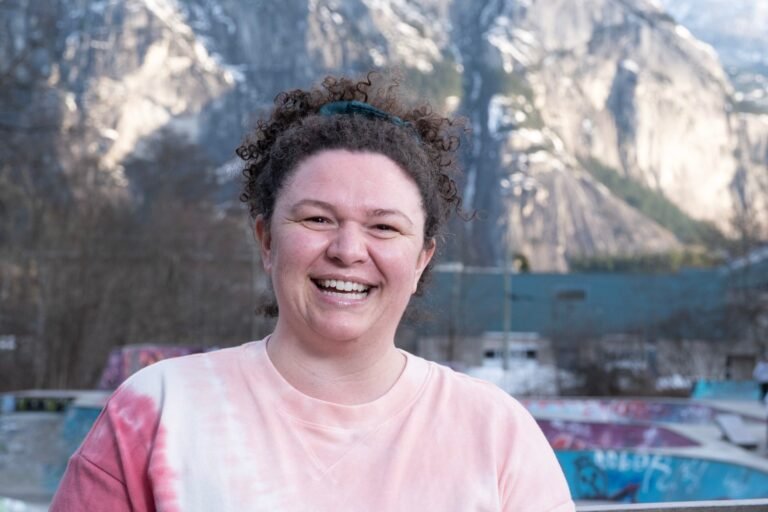
Penny Greening is founder and executive director of Reframe Voices Society, a North Vancouver-based charity on a mission to educate parents and guardians on how to get ahead of “the monster” that is an eating disorder before puberty dials up the risk. The majority of eating disorders originate in childhood, hidden by shame and stigma, as Penny is well aware. Reframe Voices is fighting against the rising tide of eating disorders, upstream, by bringing eating disorder literacy and prevention education closer to home. She lives in North Vancouver.
Comments
Note: Sea to Sky Healer welcomes your opinions and comments. We do not allow personal attacks, offensive language or unsubstantiated allegations. We reserve the right to edit comments for length, style, legality and taste.